

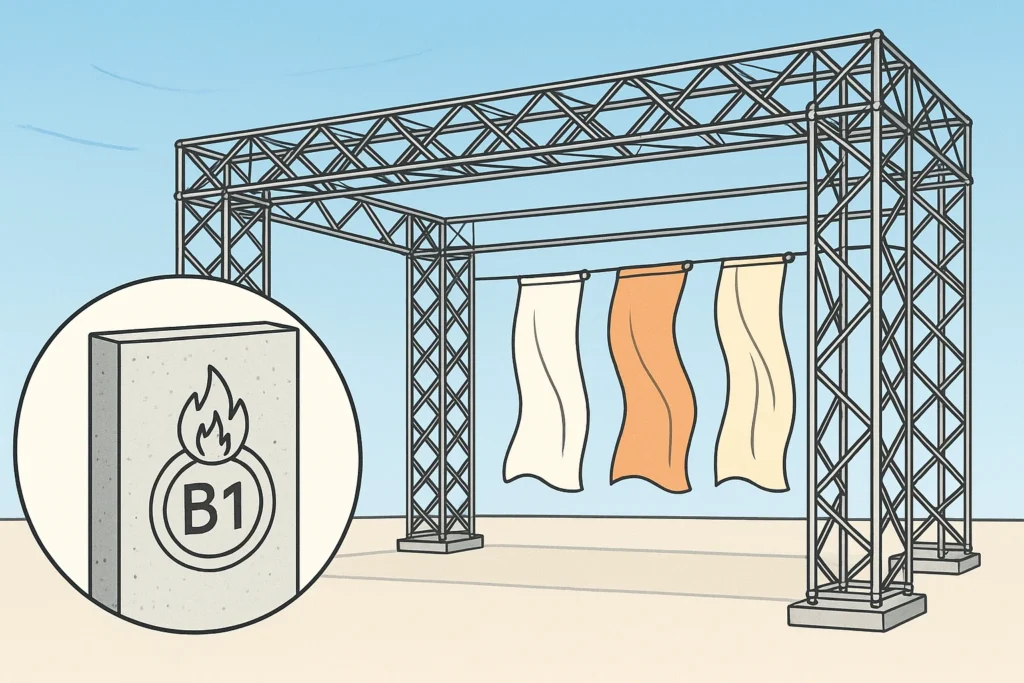
Understanding the Importance of Fire Safety in Exhibition Venues
Exhibition venues, bustling with activity and filled with elaborate displays, are vibrant spaces that bring together a myriad of spectators and exhibitors. While these events are celebrated for their creativity and innovation, they must stringently adhere to safety regulations to ensure that every attendee is protected. Among the numerous safety standards required, the significance of having a B1 fire rating surfaces as a pivotal topic of discussion, raising the question: is B1 fire rating necessary for exhibition venues?
Safety isn’t just a regulatory checkbox but a critical element that defines the integrity and reputation of any event. The B1 fire rating, often considered essential for exhibition venues, is specifically designed for materials that are flame-resistant, ensuring they do not contribute to the spread of fire. This particular rating is part of a European classification system, which signifies that the material will not exacerbate a fire, giving individuals crucial extra time to evacuate in case of an emergency. A compelling example can be found in the exhibitions hosted at major venues like the Birmingham NEC, where tight adherence to B1 standards ensures the safety of thousands of visitors and exhibitors annually.
From a risk management perspective, exhibition venues are fraught with potential hazards. The presence of numerous electrical setups, diverse materials used in stall constructions, and the sheer density of people present an array of fire risks. The B1 fire rating’s utility shines here; it acts as a preventive measure, reducing potential fire outbreaks and alleviating concerns among organisers and attendees alike. For instance, at the London Excel Centre, event organisers employ these standards to minimise risks, thereby fostering a secure environment that naturally boosts attendee confidence and comfort.
Beyond the safety component, there are additional advantages to enforcing a B1 fire rating. Venues that comply with stringent fire safety codes are viewed more favourably by potential exhibitors, enhancing the venue’s desirability and marketability. This compliance acts as an assurance, signifying that the venue prioritises safety without compromising on quality or experience. To delve deeper into how event settings can marry safety with design, consider exploring our guide on Tips For Backdrop Display Event Design.
While the relevance of a B1 fire rating might seem like a niche concern, understanding its necessity through concrete instances and regulatory guidelines illuminates its vital role in ensuring safe and successful exhibitions. As the industry evolves, keeping abreast of such safety standards not only acts as a protective measure but also as a strategic advantage, catering to the growing expectations of safety-conscious visitors and exhibitors.
The Importance of Fire Safety in Exhibition Venues
In the dynamic world of exhibitions, the significance of robust fire safety cannot be overstated. Exhibition venues are bustling environments, often hosting thousands of visitors and exhibitors amidst complex setups that include potential fire hazards such as electrical installations, fabrics, and wooden structures. As the industry ponders the question, “Is B1 fire rating necessary for exhibition venues,” it becomes clear that fire safety is an indispensable component of event planning.
Understanding B1 Fire Rating
The B1 fire rating is a standard that signifies fabrics and materials as difficult to ignite and capable of limiting fire spread. Achieving this rating means that a material will substantially hinder the propagation of flames and smoke, providing critical time for evacuation and fire control. According to BSI Group guidelines, adherence to such standards can significantly reduce the catastrophic consequences of fires in congested settings.
Case Studies Highlighting Importance
Examples abound where the implementation of B1 fire-rated materials has proven beneficial. For instance, in 2018, an exhibition in Frankfurt showcased how using B1-rated materials contributed to the safe evacuation of the venue after an electrical fault. Additionally, the London Fire Brigade has emphasised these ratings, advocating their use to minimise the risk of rapid fire spread, thereby reducing potential harm to attendees. Such cases illustrate that B1 fire ratings are not a mere regulatory tick-box but a practical necessity within high-density gathering places.
Comparing Fire Ratings
| Fire Rating | Ignitability | Smoke Production | Typical Applications |
|---|---|---|---|
| B1 | Low | Low | Exhibition Venues, Theatres |
| B2 | Moderate | Moderate | Residential Buildings |
| C | High | High | Industrial Sites |
Utilising the B1 rating ensures not only compliance but also confidence in hosting safe and successful events. By adopting B1-rated materials, venues align themselves with evolving safety standards and demonstrate a commitment to protecting every individual present. For insights into enhancing exhibition quality, consider exploring the various Pop Up Display options that integrate safety with design.
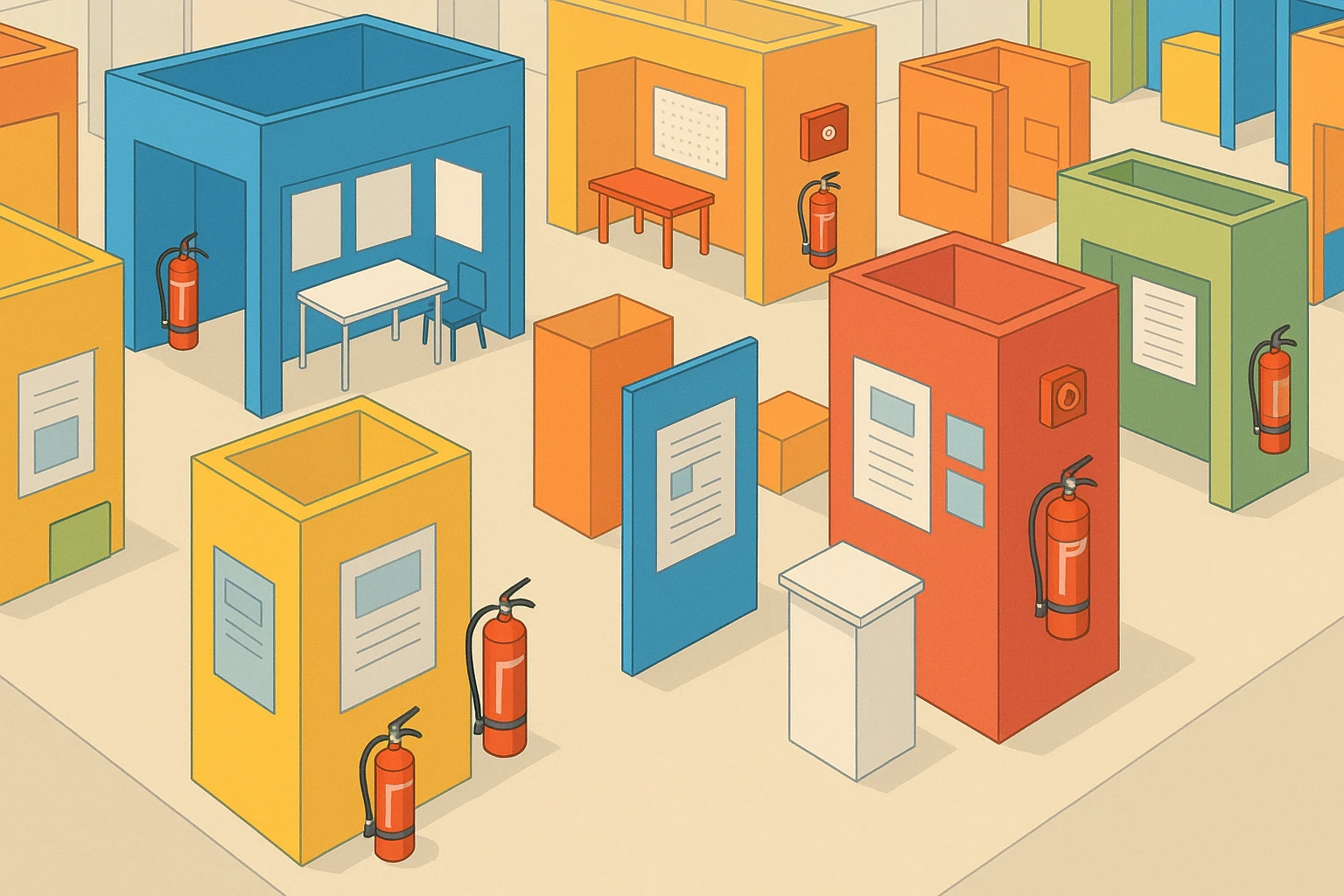
Safety Considerations for Exhibition Venues
Ensuring safety at exhibition venues is of paramount importance, especially considering the high footfall and intricate display setups. The B1 fire rating plays a crucial role in such environments, safeguarding both exhibitors and visitors against potential fire hazards. By meeting this standard, venues are better equipped to prevent the rapid spread of fire, thereby reducing the risk of damage to exhibits and ensuring the safety of personnel.
The B1 fire rating, classified under Euroclass standards, indicates materials with limited combustibility. This is a requirement in many countries for exhibition venues, where flammable materials and electrical equipment are frequently used. For example, materials with a B1 rating significantly delay fire propagation, granting more time for evacuation and emergency response.
Real-World Applications and Case Studies
Many exhibitions across Europe have embraced the importance of the B1 rating. In 2019, a prominent trade fair in Germany implemented stricter regulations on materials used for construction and displays, leading to a safer event without compromising on creativity or design. This approach highlighted how compliance with B1 ratings can coexist with aesthetic appeal and functional design. More insights on display solutions that balance safety and creativity can be found in this comprehensive resource on XL Pop Up Stands.
Another case is the Royal Academy of Arts in the UK, which faced mounting pressure to enhance visitor safety following an incident involving a small display fire. The implementation of B1-rated materials across all exhibitions helped restore confidence among visitors, illustrating the necessity of these standards for exhibition venues. According to a study by the Fire Safety Engineering Group, venues with rigorous application of fire safety standards saw a significant reduction in fire-related incidents [source].
For those organising events, ensuring compliance with fire safety standards is not just a regulatory requirement but a means of instilling trust among participants. Using trusted suppliers like Stand Banner can provide peace of mind, offering a range of display solutions designed to meet these critical safety standards without sacrificing on the quality or appeal of the exhibits. By choosing experienced providers, event organisers can create displays that not only captivate their audience but also align with necessary safety requirements.
The Role of B1 Fire Rating in Exhibition Venues
When considering the importance of a B1 fire rating for exhibition venues, it’s crucial to understand the potential hazards that can be mitigated by adhering to such standards. The B1 fire rating indicates that materials are flame-retardant and do not contribute significantly to the spread of fire. This can be particularly vital in environments where large crowds gather, such as trade shows and exhibitions.
An example that underscores the necessity of this rating occurred at a recent technology expo. The event, which attracted thousands, included complex displays filled with electronic equipment and decorative materials. By using B1 fire-rated materials, organisers ensured that, in the unfortunate event of a fire, the impact would be controlled, potentially saving lives and minimising risks to both visitors and staff. Such precautions can prevent catastrophes, offering not only physical safety but peace of mind.
Understanding the Standards
Exhibition venues are diverse, hosting events from art fairs to international product launches. Hence, the question arises: Is B1 fire rating necessary for exhibition venues across the board? According to UK government guidelines, buildings where the public gathers are expected to adhere to stringent fire safety measures. Implementing B1-rated materials can aid compliance, ensuring organisers meet legal safety obligations. The adoption of such standards is not merely bureaucratic but integral to maintaining public safety amidst increasing footfall.
Practical Applications
In practical terms, achieving a B1 fire rating involves selecting materials for displays, signage, and fixtures with proven fire-retardant properties. Event organisers often collaborate with suppliers committed to these standards, ensuring the entire venue poses minimal fire risk. For instance, a fashion exhibition might utilise B1-rated fabrics for backdrop designs and staging, maintaining aesthetic appeal without compromising safety.
Furthermore, recent studies emphasise the critical role these standards play in emergency preparedness. The New Scientist highlights the potential dangers at mega events, suggesting that insufficient fire safety measures could escalate into complex emergencies. Adhering to a B1 fire rating becomes an actionable step towards mitigating these risks.
In conclusion, while it might seem like an additional expense, prioritising B1-rated materials is a crucial investment in safety and compliance. For exhibition venues, it means being proactive rather than reactive, aligning with best practices and protecting all participants from the unpredictable nature of fires.
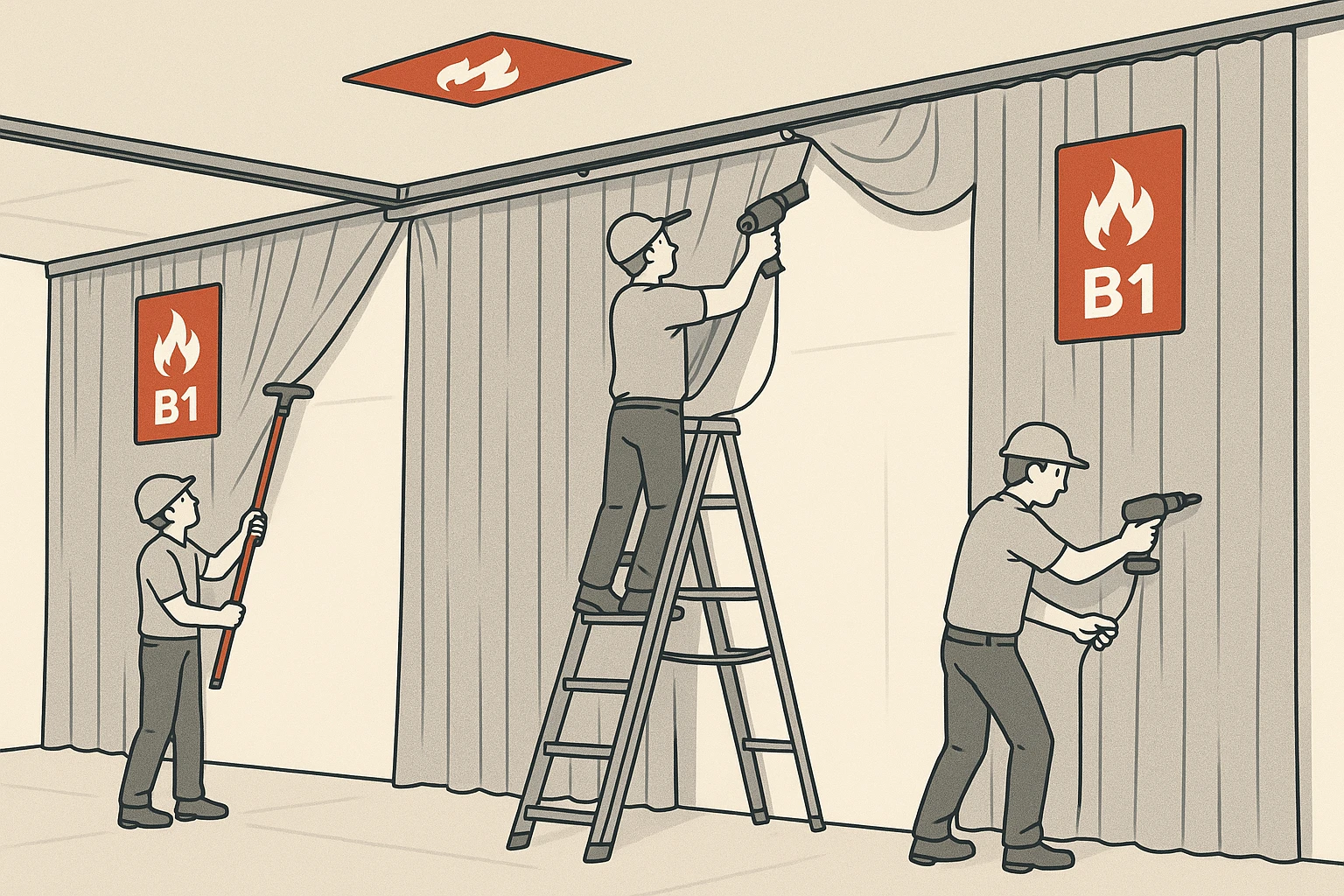
Conclusion
For exhibition venues, integrating fire safety measures is not just a regulatory formality but a critical aspect of ensuring overall safety and compliance. The question, “Is B1 fire rating necessary for exhibition venues,” becomes more pertinent as these spaces often host large gatherings and are filled with combustible materials. As such, the B1 fire rating serves as a benchmark for safety standards, offering peace of mind to both visitors and organisers.
Exhibition venues that prioritise the B1 fire rating are demonstrating their commitment to safety and responsibility. This not only reduces the risk of fire-related incidents but also bolsters the reputation of the venue as a safe and reliable place for events. For instance, venues implementing B1 rated materials have become the preferred choice for international trade shows and conferences due to their proven compliance and dedication to safety standards.
Furthermore, from an operational standpoint, the utilisation of B1 rated materials in an exhibition venue can lead to easier approval processes from regulatory bodies, ensuring that events proceed without unnecessary delays. According to data from recent safety audits, venues adhering to such standards often experience higher satisfaction rates from exhibitors and attendees NFPA Resources.
For businesses and event organisers, the choice to invest in B1 fire-rated materials is clearly a strategic one. These materials not only enhance safety but also align with best practices in event management. Prospective clients are more likely to engage with venues that showcase a proactive approach to fire safety, understanding that their operational reality acknowledges every possible contingency.
When considering enhancing venue safety standards and achieving a B1 fire rating, partnering with a specialist provider can be invaluable. To get started on this journey, consider leveraging the expertise and comprehensive support provided by Stand Banner. Their industry-leading solutions can guide you towards achieving the highest safety standards, improving both compliance and peace of mind for your stakeholders.
Ultimately, the necessity of a B1 fire rating for exhibition venues cannot be overstated. As the industry continues to prioritise safety, adopting these measures is not just a recommendation but a fundamental requirement in delivering secure and successful events.
For more information on our range of products and service please contact us or call 0800 246 1352. or contact us on WhatsApp.