

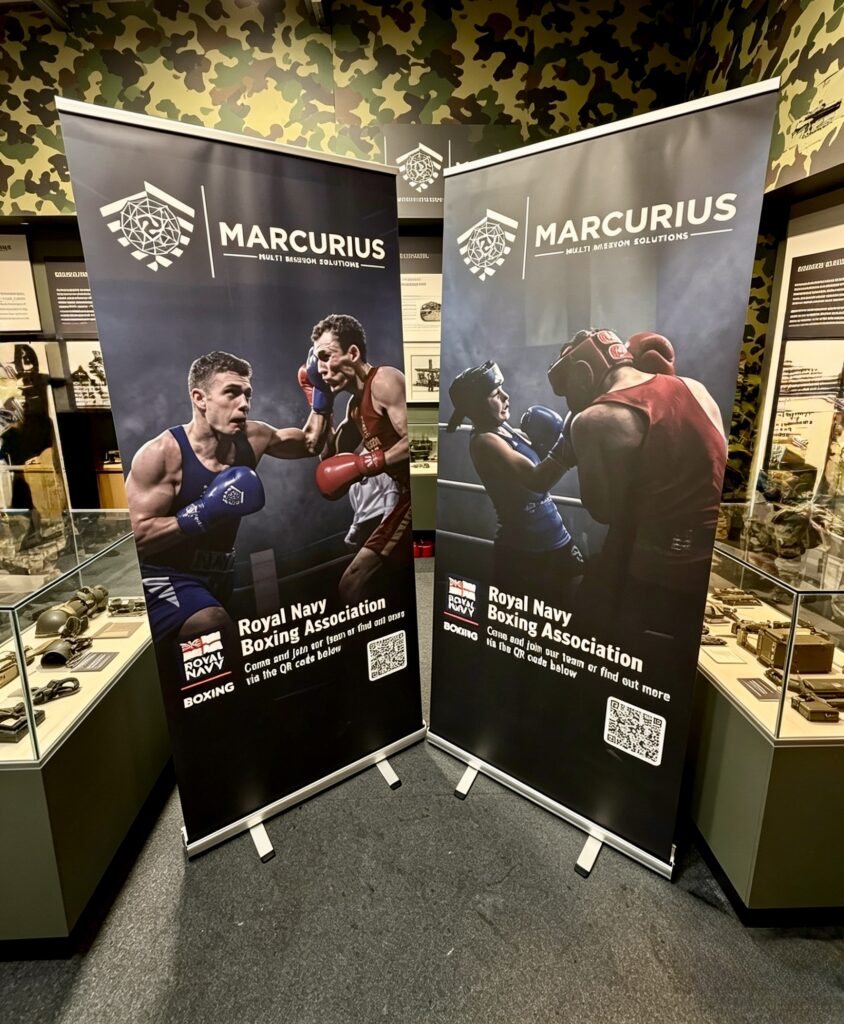
The Art of Designing Effective Exhibition Banners
In the dynamic realm of trade shows and events, captivating an attendee’s attention can mean the difference between a missed opportunity and a successful connection. An exhibition banner serves as a crucial tool in this environment, acting as a visual magnet to draw visitors to your booth. But what makes an exhibition banner truly effective? This question leads us into an exploration of design principles, strategic placement, and real-world applications that turn ordinary banners into marketing goldmines.
Understanding the Basics
At its core, an exhibition banner is a canvas for your brand’s message. It’s more than just a piece of fabric or a digital display; it’s a strategic instrument designed to convey your brand identity and message succinctly. The primary goal of an exhibition banner is to capture the audience’s attention swiftly and hold it long enough to communicate your key message. This principle is exemplified in the way many companies now use vibrant graphics and brief, impactful text to ensure their message is clear and memorable.
Design Elements that Work
Effective banners incorporate a variety of design elements such as bold colours, enticing images, and concise text. According to a study by Campden BRI, colours can significantly influence perception and behaviour, making them a critical component of banner design. Businesses harness this by using brand colours strategically to maintain brand consistency while also standing out in a crowded exhibition space. Moreover, integrating elements like high-resolution images and compelling calls-to-action can guide the audience towards desired interactions.
Case Studies in Success
One notable example comes from a leading tech company that redesigned their exhibition banners to focus on sustainability. By showcasing their commitment to eco-friendly practices using vivid graphics and minimalistic text, they not only attracted environmentally-conscious attendees but also reinforced their corporate values. Their banners’ success highlights how aligning design with broader business goals can enhance engagement at events.
For further insights into designing effective displays, exploring resources such as Banner Display Stands can provide valuable strategies and examples relevant to various industries. A well-designed banner is not just about being seen; it’s about being remembered.
Design Elements and Strategies for Effective Exhibition Banners
Designing an impactful exhibition banner requires a comprehensive understanding of visual hierarchy and audience engagement. Central to this process is the effective utilisation of key design elements such as colour, typography, and imagery. According to a study by Nielsen Norman Group, users only recollect an image after 10 seconds, underscoring the importance of using striking visual elements that resonate quickly and effectively [Nielsen Norman Group]. This principle highlights the need for displaying bold, contrasting colours and legible fonts that capture attention from afar.
Placement of elements is another crucial strategy. By aligning text and imagery in a way that guides the viewer’s eye smoothly across the banner, designers can ensure their message is conveyed concisely. A balanced allocation of space prevents overwhelming the viewer while emphasising key information effectively. Employing the rule of thirds can aid in achieving aesthetically pleasing compositions, making your banner more appealing and informative. For more insights into maximising visual impact, consider exploring related concepts in Backdrop Event.
Furthermore, incorporating interactive elements can significantly enhance engagement. Digital banners are increasingly leveraging QR codes and AR (Augmented Reality) technology, creating immersive experiences that captivate audiences beyond traditional static displays. For instance, Zara utilised AR displays in its stores, which resulted in substantial increases in foot traffic and customer interaction, proving the viability of such technologies in exhibition settings [Forbes].
Understanding your target audience is paramount. Customising the content and design of your exhibition banner to align with the interests and expectations of your prospective viewers can dramatically boost its effectiveness. This involves not only aesthetic choices but also the strategic selection of messaging to directly address the needs and values of that audience. Integrating these audience insights into your banner’s design will foster deeper connections and generate more meaningful engagements.
By focusing on these critical design elements and strategies, businesses can create exhibition banners that not only stand out visually but also drive significant returns on investment. The blend of creative design and strategic implementation plays an essential role in ensuring that your message is not just seen, but remembered and acted upon.
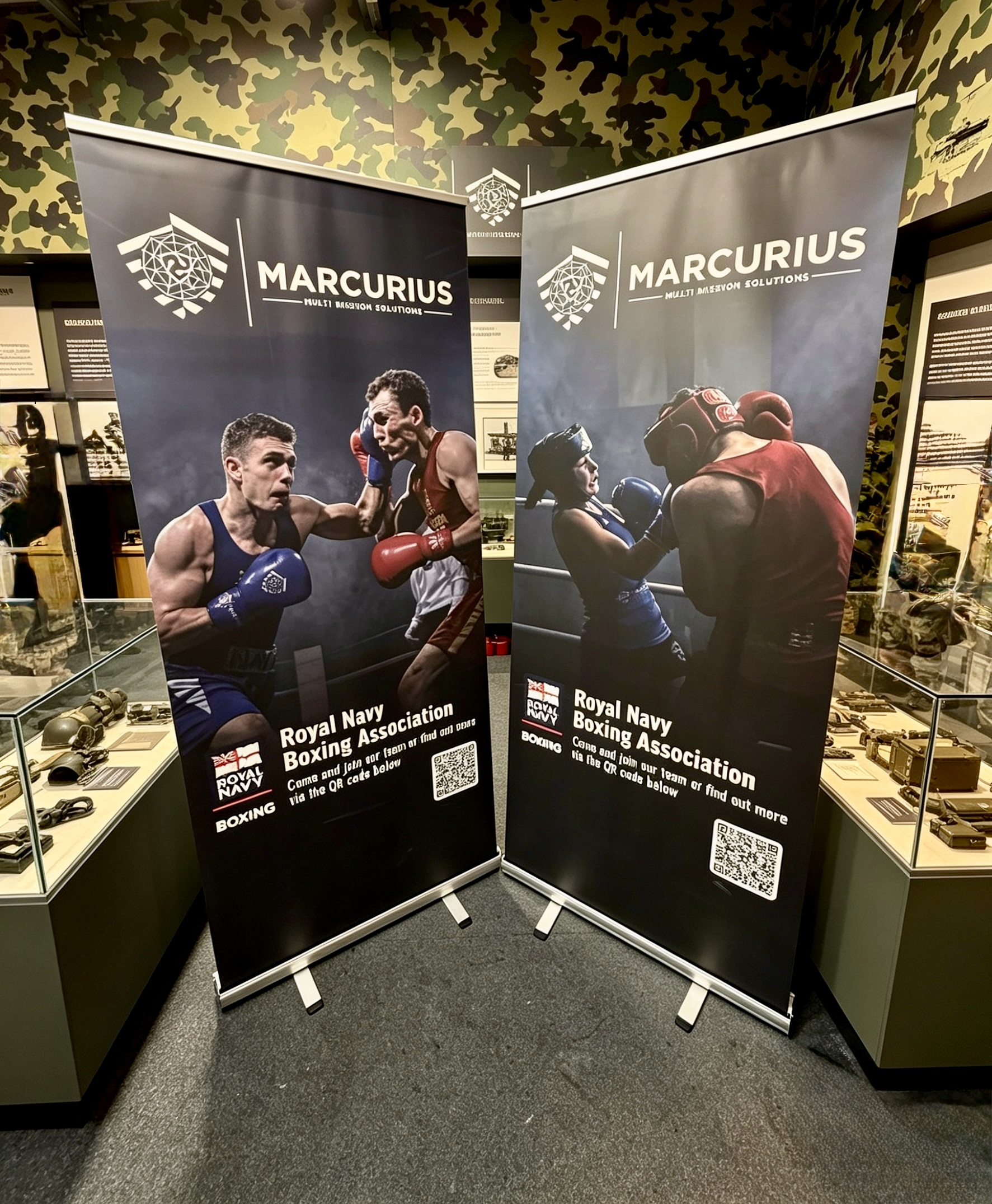
Designing an Effective Exhibition Banner
Creating an impactful exhibition banner is both an art and a science. The design must not only capture attention but also communicate key messages clearly and swiftly. Here are some essential elements to consider during the design process. For customers creating their own artwork, we recomend Free Design by Canva offers a useful free online design platform. Our experienced design studio also provides free impartial advice and creative solutions to help develop eye-catching banner stand graphics with maximum visual impact.
Visual Appeal and Branding
An exhibition banner must align closely with your brand identity. Incorporating brand colours, logos, and fonts ensures consistency across marketing materials. The visual appeal is crucial; vibrant colours and eye-catching graphics can significantly enhance engagement. However, it’s essential to balance creativity with readability. For example, high-contrast colours can make text stand out against backgrounds, enhancing legibility even from a distance.
Clarity of Message
Your message should be concise and to the point. Use bullet points or brief phrases rather than long paragraphs. The main message must be immediately identifiable to someone glancing at the banner. A study by the Event Marketing Institute found that banners with succinct messages tend to generate more interaction at industry events (Event Marketing Institute).
Positioning and Layout
Proper positioning of elements within the banner is vital. Important details like your company name and key message should be at eye-level. Incorporating a clear call-to-action (CTA) such as “Visit Our Stand” can drive foot traffic. Tools like fabric display stands provide versatile options for layout adjustments, allowing companies to maximise visual impact.
Use of Technology
Incorporating technology such as QR codes can drive interaction and engagement, directing visitors to your website or digital catalogue. This element can provide a seamless way for visitors to access further information and engage with your brand even after they leave the exhibition floor.
Incorporating Feedback
Engage with past exhibition attendees to understand what worked well and what didn’t. Feedback is invaluable for refining banner designs to better meet the audience’s preferences and needs. Many professionals consider companies like Banner Standee for their expertise in creating high-quality exhibition materials tailored to specific event objectives.
Overall, the objective is to meld aesthetic elements with strategic messaging and technology to create a dynamic and memorable exhibition banner. By focusing on these design aspects, businesses can significantly enhance their visibility and impact at trade shows and events.
Maximising Visibility with Strategic Banner Placement
In busy exhibition environments, one of the most effective ways to stand out is through *strategic banner placement*. Hanging banners, for instance, excel at capturing attention from across a crowded hall. Attendees often notice these overhead displays 30–50 feet away—long before they reach your booth—making them powerful navigational and engagement tools. Using a banner displayed high above the crowd acts as a visual beacon, guiding visitors toward your presence and helping your brand make a memorable first impression. This approach turns your exhibition banner into both a directional anchor and a visibility boost. premiumonebackdrops.com
A practical real-world example comes from the Discovery Ikigai Sales Conference, where organisers installed an overhead banner installation over 100 feet wide comprising layered rings of brightly coloured fabric. The result was an unforgettable visual spectacle that dominated the space and drew attendees in effectively. boothexhibits.com
Choosing the Right Size and Dimensions
Selecting the appropriate banner size is essential to maintain impact and clarity. Roll-up banners, commonly used in standard booths, often come in sizes like 85 × 200 cm for compact spaces, 100 × 200 cm in larger halls, and 120 × 200 cm for premium entrances. Opting for the right size ensures your messaging remains readable and the visuals remain sharp, even from a distance. A balanced choice, like 85 × 200 cm, often combines cost-effectiveness with visibility—particularly for smaller stands.
Optimising Design for Interaction and Impact
Effective designs for exhibition environments face a dual challenge: they must communicate clearly in seconds and invite deeper engagement. To achieve this, follow a clear visual hierarchy—placing the logo and headline at the top, centre stage visuals in the middle, and an action-oriented message or contact detail at the bottom. This structured flow guides both quick scanning and deliberate engagement. goldenadds.com
Moreover, colour, contrast, and typography are not merely aesthetic choices but tools for memory and clarity. Using bold, sans-serif fonts that are legible even from several metres away ensures your message isn’t lost in translation. Strong, high-contrast colours enhance recognition and evoke emotional responses, reinforcing brand recall long after visitors leave the hall. ideaepic.com
Real-World Application and Results
A clear demonstration of effective banner use comes from a case study involving PMO Partners, who deployed a trio of professionally designed banner stands in close succession. These banners incorporated sharp branding, concise copy, and diverse imagery to reflect professionalism and inclusivity. The adjustment led to immediate positive feedback and likely secured three new clients—including evidence that well-crafted visuals can sharpen brand perception and drive meaningful conversion. haleymarketing.com
By applying these principles—heightened placement, optimal sizing, and thoughtful design—marketers can elevate an exhibition banner from mere décor to a strategic asset that draws visitors, communicates quickly, and creates a lasting impact in competitive environments.
Conclusion
Exhibition banners are more than just visual displays; they are strategic tools that can significantly enhance the effectiveness of marketing at events. With careful design, colour choice, and placement, these banners can attract attention, convey a brand’s message, and draw in potential customers. As we’ve explored, important elements such as clear messaging, high-quality graphics, and durable materials can transform a simple banner into a powerful marketing asset.
Actionable Insights for Effective Use
For businesses looking to maximise their impact, investing in high-quality exhibition banners is crucial. Begin by identifying the core message you wish to convey and ensure it aligns with your brand’s visual identity. Incorporating engaging design elements and ensuring readability, even from a distance, is vital. Furthermore, consider the placement and environment to optimise visibility and reach.
Another key takeaway is the importance of versatility. Using banners that are easy to transport and set up can save time and resources during events. Additionally, opting for eco-friendly materials not only supports sustainability efforts but can also enhance your brand image among environmentally conscious consumers.
Embrace Innovation and Creativity
Innovation in banner design can set you apart from competitors. For instance, interactive elements like QR codes can direct visitors to digital content, providing an integrated offline-to-online experience. Embracing new technologies, such as augmented reality, can also offer intriguing, immersive interactions that captivate audiences.
Partner with Experts
For businesses aiming to leverage these strategies effectively, professional guidance can be invaluable. Partnering with an experienced provider ensures that your exhibition banners are crafted to meet both aesthetic and functional goals. Consider engaging with a reliable service such as Stand Banner for comprehensive support in creating bespoke banners tailored to your needs.
In conclusion, the informed use of exhibition banners can be a game-changer in attracting and engaging your target audience at any event. By applying these insights and utilising expert services, businesses can elevate their exhibition presence, leaving a lasting impression on attendees and driving meaningful engagement.