

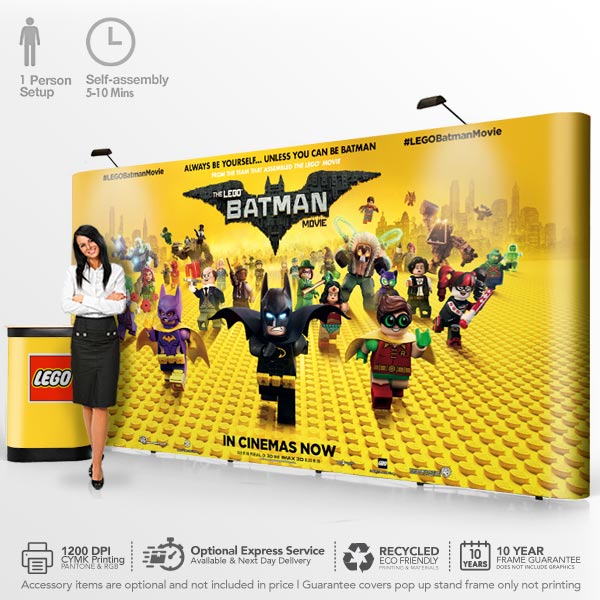
An Introduction to Pop Up Displays: The Modern Marketing Essential
In an era where first impressions are increasingly crucial, businesses are continuously refining their marketing strategies to captivate potential clients. Among the many tools they employ, pop up displays have emerged as indispensable assets in this pursuit. These dynamic and versatile displays not only enhance visibility but also provide an engaging platform to communicate key brand messages effectively.
Pop up displays are particularly popular in trade shows, exhibitions, and retail environments, where competition for attention is fierce. The sleek design and ease of assembly make them an appealing choice for marketers looking to convey professionalism and creativity. Many companies have found these displays to be more than just visually appealing; they serve as functional brand ambassadors. For instance, at a recent tech expo, a leading software company used pop up displays to create an immersive experience, blending printed graphics with interactive digital screens. The result was a significant increase in visitor engagement and lead generation.
One of the key advantages of pop up displays is their portability. Designed to be lightweight, these displays are easily transported between venues, saving valuable time and logistics costs. Additionally, their modular nature allows for considerable customisation. Whether a business seeks a simple backwall or a complex, multi-dimensional structure, pop up displays cater to diverse needs — a flexibility that cannot be overstated.
Moreover, pop up displays have shown to deliver impressive return on investment (ROI). According to a study by the Centre for Exhibition Research, businesses that utilise portable display systems like pop up displays report a higher ROI compared to more static signage solutions. This effectiveness stems from their ability to draw attention and facilitate direct interaction with potential customers. For more insights on effective display solutions, you can explore our section on Pop Up Display.
As marketing landscapes evolve, the demand for innovative presentation methods continues to grow. Pop up displays adapt to these changes seamlessly, integrating new technologies and creative designs to meet the expectations of modern consumers. Businesses aiming to stand out in crowded marketplaces would do well to consider this adaptable tool. By combining aesthetics with practicality, pop up displays embody a forward-looking approach to engaging diverse audiences and enhancing brand presence.
The Versatility of Pop Up Displays
Pop up displays have emerged as innovative tools in the marketing and event industry, offering unparalleled flexibility and creativity. Their portability and ease of setup make them a sought-after choice for businesses of all sizes. Whether for trade shows, promotional events or retail displays, these dynamic tools can be tailored to a firm’s specific branding requirements.
Customisation and Branding Opportunities
The ability to customise pop up displays is a significant advantage for businesses aiming to reflect their unique brand identity. Companies can integrate their logos, brand colours, and messaging, creating a cohesive and impactful presence. When Marks & Spencer launched a new product line, they used pop up displays featuring vivid imagery and compelling brand narratives, resulting in a marked increase in consumer engagement. According to a study by the Centre for Retail Research, visually engaging displays can boost sales by up to 30% [source].
Adaptability to Various Environments
Pop up displays are remarkably adaptable, suitable for both indoor and outdoor environments. Businesses can leverage this versatility to reach audiences in diverse settings, from bustling trade fairs to outdoor festivals. With weather-resistant materials and stable design structures, these displays stand firm under varying weather conditions. This adaptability ensures that marketing messages are conveyed consistently and effectively, irrespective of location.
Case Studies: Real-world Applications
Retailers like IKEA have harnessed the power of pop up displays to create captivating in-store campaigns. By strategically placing displays at key customer touchpoints, they’ve successfully increased foot traffic and enhanced customer interaction. Similarly, tech giant Samsung utilised state-of-the-art pop up displays during their product launches, featuring interactive elements that allowed potential customers to experience their products firsthand, leading to increased retention and brand loyalty.
For additional strategies in maximising display potential, consider exploring our insights on Stand Banner.
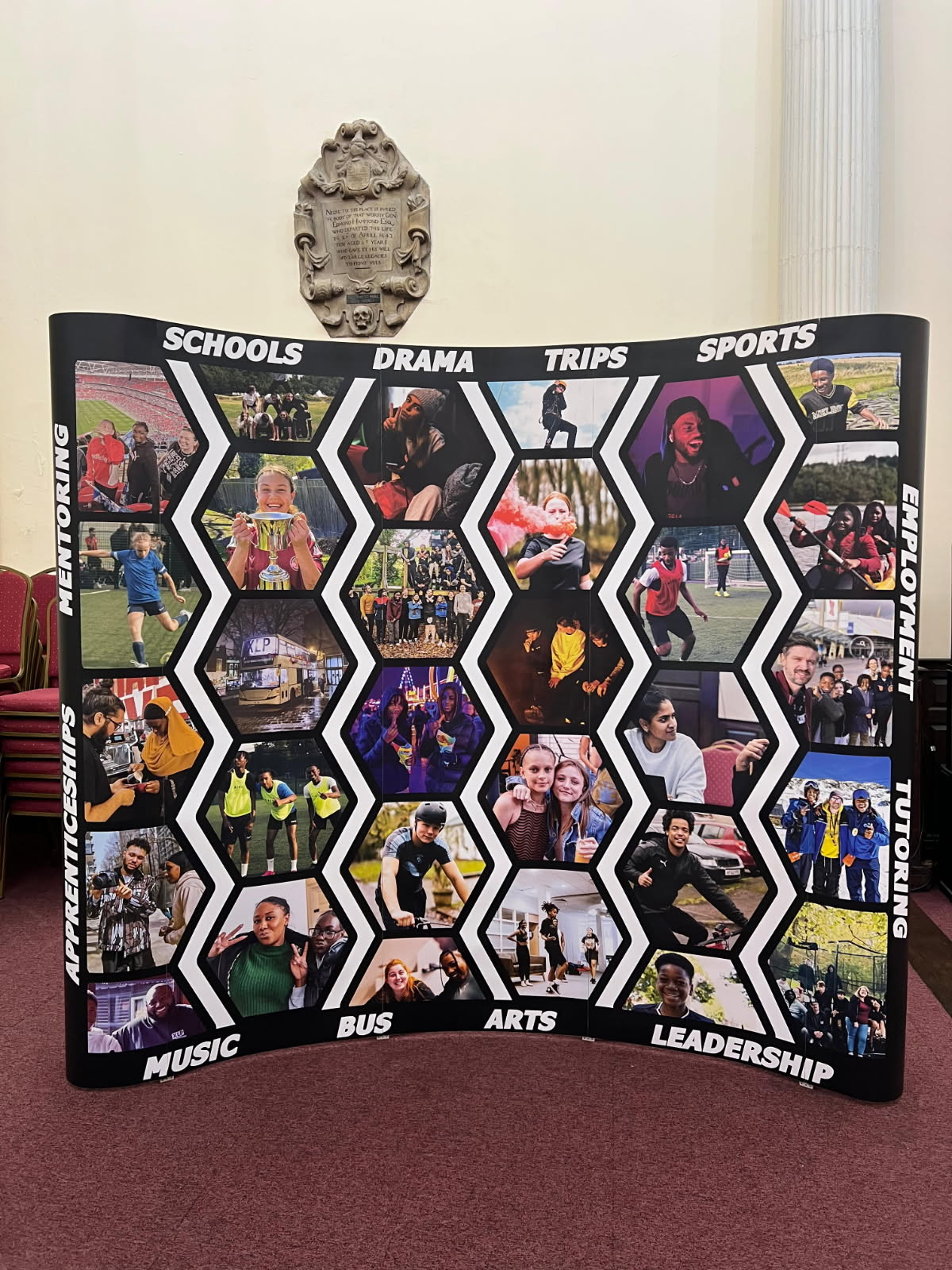
The Versatility of Pop Up Displays in Marketing
As businesses strive to stand out in competitive marketplaces, the use of pop up displays has surged, offering versatile and effective solutions for brand visibility. These displays are not limited to traditional trade shows but extend to a variety of settings that benefit from their modular design and eye-catching capabilities.
Tailored Solutions for Diverse Events
Pop up displays can be customised to suit different event types, making them a versatile choice for marketers. Whether at a corporate expo or an outdoor festival, these displays offer adjustable configurations that can adapt to any space and requirement. Their design flexibility means they can be incorporated into booth setups, providing a cohesive brand presence.
Engagement through Interactive Elements
Interactive features, such as digital screens or virtual reality elements, can significantly enhance the engagement factor of pop up displays. These interactive components not only draw in potential clients but also allow businesses to showcase their products in dynamic ways. For example, a tech company might use touchscreens on their displays to provide live demonstrations of their software products. Stand Banner offers innovative solutions tailored to incorporate such technology seamlessly into display stands.
Considerations for Design and Implementation
Design plays a crucial role in the effectiveness of pop up displays. Ensuring the graphics are bold and the message is clear can greatly impact the display’s ability to attract foot traffic. Additionally, the choice of materials and lighting can further enhance visibility. Sustainable materials are gaining popularity, aligning with consumer preferences for environmentally friendly products. Businesses like display stands offer eco-friendly options, ensuring that brands exhibit both responsibility and innovation.
Real-World Success Stories
Many companies have reported increased engagement and sales following the implementation of pop up displays. For instance, a recent study highlighted that exhibitors who used pop up displays at events experienced a 30% increase in visitor interaction compared to traditional booths. Their lightweight and portable nature also makes them cost-effective solutions for businesses looking to maximise impact whilst minimising logistical challenges.
For those considering incorporating these displays into their marketing strategy, exploring customisation options to fit specific brand needs is crucial. The adaptability and multifaceted applications of pop up displays demonstrate their significant potential in enhancing marketing efficacy.
Strategic Placement and Design of Pop Up Displays
The successful implementation of pop up displays hinges not only on their versatility but also on strategic placement and captivating design. Understanding the target audience’s preferences and behaviour is fundamental to maximising the impact of these displays. By strategically placing them in high-traffic areas and designing them to capture attention quickly, businesses can significantly enhance their visibility and engagement.
Effective Location Strategies
Location is a critical factor in the success of pop up displays. For instance, a positioning strategy in retail environments involves placing displays near entrances or checkouts to catch customers during crucial decision-making moments. Studies indicate that such strategic placements can increase product sales by up to 20% (POP Display). Similarly, for trade shows, exhibits with well-placed pop up displays are more likely to attract foot traffic, offering companies a competitive edge over other vendors.
Designing for Engagement
Designing pop up displays involves more than just visual appeal; it requires a deep understanding of brand messaging and customer interaction. Effective designs incorporate bold colours, clear text, and interactive elements to engage passersby. A case in point is brand campaigns by prominent retailers that utilise augmented reality features on their displays, delivering an immersive experience that enhances customer engagement and recall. Incorporating such innovative elements into pop up displays exemplifies their potential to create memorable brand experiences.
Case Study: A Retail Success Story
Consider the example of a UK-based retail giant that employed pop up displays across its stores nationwide. By integrating these displays with digital technology, such as QR codes linking to online content, the retailer reported a 15% increase in customer interaction and a notable boost in sales volume during promotional periods. This approach exemplifies the power of combining physical and digital marketing strategies to optimise the impact of pop up displays.
Ultimately, leveraging customisation to tailor pop up displays to brand-specific narratives and customer preferences ensures a more significant marketing impact. By investing in location analysis and design innovation, businesses can harness the full potential of pop up displays to captivate audiences and drive product success.
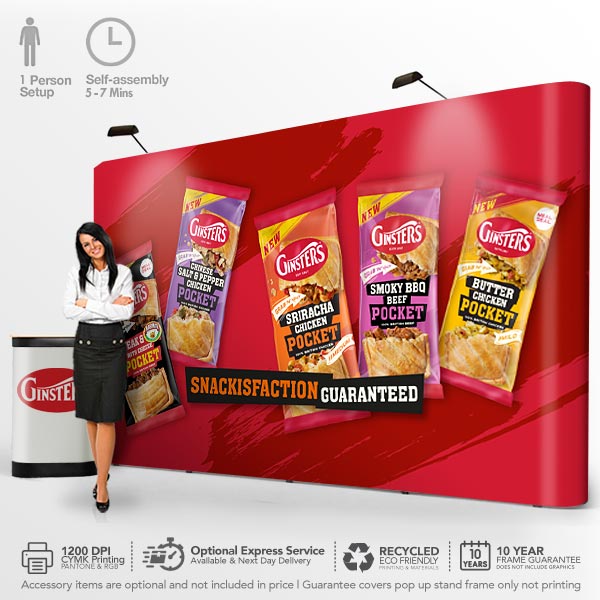
Conclusion
Incorporating pop up displays into your marketing strategy can be a transformative decision for businesses seeking increased visibility and engagement. These displays offer unmatched versatility, adaptability, and visual appeal, making them an ideal choice for events, exhibitions, and retail environments. As evident from the numerous successful case studies, brands that invest in creative and interactive pop up displays often see a significant rise in customer interaction and brand recognition.
To maximise the impact of your displays, it’s essential to focus on design elements that capture attention and communicate your brand message. For instance, integrating technology such as augmented reality or interactive touchscreen features can captivate audiences and convey product information in innovative ways. Furthermore, strategically choosing locations that align with your target demographic plays a crucial role in achieving the desired reach and conversion outcomes.
As you consider implementing these displays, remember that quality and creativity are paramount. Collaborating with experienced designers and suppliers who understand the nuances of effective display marketing can make a substantial difference. According to a survey cited by Event Marketer, 84% of brands believe event marketing is crucial to their success, highlighting the undeniable importance of a thoughtful approach in this area.
Looking for professional support to refine your display strategy? Consider exploring the services of Stand Banner. They offer an extensive range of options and expert guidance to ensure your displays effectively capture audience attention and deliver on your marketing goals. By partnering with such experts, you can ensure that your pop up displays are not only eye-catching but also strategically aligned with your business objectives.
In summary, whether you are aiming to launch a new product, enhance brand visibility, or foster deeper customer interactions, pop up displays offer a powerful toolset to achieve these goals. Now is the time to embrace this innovative channel to stand out in a crowded marketplace, engage your audience, and drive meaningful results.